
Custom Medals for Community Service Recognition in Australia: The Complete Guide
Discover how to order custom medals for community service recognition in Australia — covering designs, materials, MOQs, and budgeting tips.

Written by
River Chen
Awards & Recognition
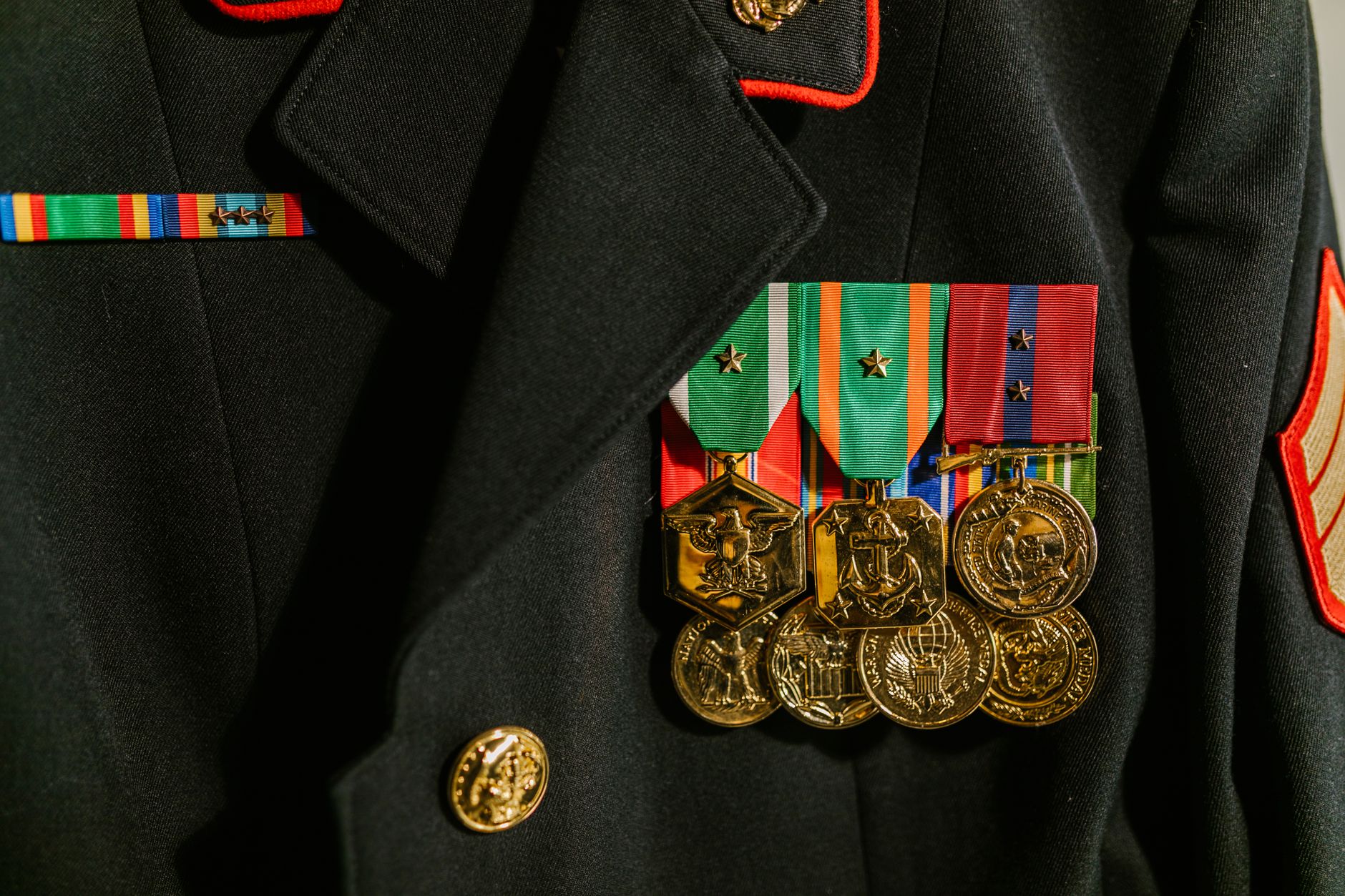
Recognising the unsung heroes of your community doesn’t have to be complicated — but it does deserve to be done well. Whether you’re coordinating a volunteer awards night for a local council in Canberra, celebrating long-serving members of a Lions Club in regional Queensland, or acknowledging community champions through a not-for-profit based in Adelaide, custom medals for community service recognition in Australia offer a meaningful, lasting way to say thank you. Unlike generic off-the-shelf options, a well-designed custom medal communicates genuine appreciation — and when done right, recipients keep them for life.
This guide walks you through everything you need to know: from choosing the right medal style and decoration method to managing timelines, budgets, and artwork requirements.
Why Custom Medals Make a Powerful Recognition Tool
There’s a reason medals have been used to mark achievement and service for centuries. They carry symbolic weight. They’re tactile, wearable, and deeply personal. For organisations looking to build culture, loyalty, and community pride, a custom medal does what a gift card or certificate simply cannot.
In Australia, community service recognition spans an enormous range of contexts. Sporting clubs present medals at end-of-season presentations. Government councils honour volunteers through annual civic award ceremonies. Schools and universities recognise student leaders and community contributors. Charities celebrate fundraising milestones and long-term supporters. In every one of these settings, a quality custom medal elevates the experience and makes the recipient feel genuinely seen.
There’s also a brand dimension worth considering. As explored in our overview of why brand identity matters, consistent visual branding across all touchpoints — including awards — reinforces your organisation’s credibility and professionalism. A well-branded medal isn’t just a token; it’s a physical extension of your organisation’s values.
Understanding the Types of Custom Medals Available in Australia
Before placing an order, it helps to understand the range of medal types on the market and which suits your recognition context best.
Die-Cast Zinc Alloy Medals
The most popular choice for high-quality custom medals. These are crafted by creating a custom mould (die) in the shape of your design, then casting molten zinc alloy into it. The result is a detailed, three-dimensional medal that can capture fine logos, text, and decorative elements. Die-cast medals are ideal for prestigious community service awards where quality is paramount.
Typical turnaround: 3–6 weeks, including mould creation. MOQ: often 50–100 units. Setup fees apply for the die, but cost per unit drops significantly with higher quantities.
Stamped Metal Medals
A cost-effective alternative to die-cast, stamped medals are pressed from a sheet of metal (usually brass, zinc, or iron) to create a flat or slightly embossed design. They’re well-suited to sporting clubs, school award programs, and large-scale community events where volume is required and budget is a consideration.
Spin-Cast Resin or Enamel Fill Medals
These medals feature enamel colour fills — either soft enamel (which sits slightly below the metal surface for a textured effect) or hard enamel (polished flat and glossy). Enamel fill medals are visually striking and allow for vibrant, full-colour designs, making them popular for councils and organisations with strong visual branding.
Custom Ribbon Medals
Every medal needs a ribbon — and the ribbon is often overlooked as an opportunity for branding. Custom ribbon medals allow you to specify ribbon colours, weave patterns, and even printed text or logos on the ribbon itself. For councils and community organisations, matching ribbon colours to corporate or team colours is a nice touch that elevates the overall presentation.
Decoration Methods and Artwork Considerations
The decoration approach for custom medals differs from what you’d use on promotional branded merchandise or apparel, but similar principles apply around artwork quality and preparation.
Engraving and Embossing
Most die-cast and stamped medals feature raised (embossed) or recessed (debossed/engraved) design elements. Your artwork should ideally be supplied as a vector file (AI, EPS, or high-resolution PDF) to ensure clean reproduction at any size. Fine detail work is possible with die-cast options but may be limited on stamped metals.
Enamel Fill Colours
If your medal design includes colour fills, you’ll need to specify PMS (Pantone Matching System) colours to ensure consistency across production runs. This is particularly important for organisations with strict brand guidelines — a council’s corporate colours or a sporting club’s team colours need to match exactly.
Sandblasting and Plating
Custom medals can be finished in gold, silver, or bronze plating (or antique finishes for a heritage look), with sandblasted backgrounds for contrast. Additional finishes like epoxy dome coating can add durability and a premium appearance to enamel areas.
Planning Your Order: Timelines, MOQs, and Budgeting
Getting the logistics right is just as important as the design. Here’s a practical breakdown to help you plan.
Minimum Order Quantities
Custom die-cast medals typically have MOQs starting around 50–100 units. Stamped metal or stock-shape custom medals can sometimes be ordered in smaller quantities (as few as 25–30 units), which suits organisations running smaller, more intimate recognition events. If you’re a sporting club in Perth or a community group in Hobart planning a modest ceremony, it’s worth asking suppliers whether lower-MOQ options are available.
Turnaround Times
- Stock shape medals with custom engraving: 5–10 business days
- Stamped metal medals with custom design: 2–4 weeks
- Die-cast custom medals (new die required): 4–6 weeks
If you’re ordering for a specific event date — an ANZAC Day recognition ceremony, an end-of-financial-year volunteer awards night, or a school presentation evening — always build in at least one week of buffer beyond the quoted turnaround. Proof approvals, artwork revisions, and shipping to regional areas like Darwin or Townsville can add time to the process.
Budgeting for Custom Medals
Pricing varies significantly based on medal type, size, finish, quantity, and ribbon options. As a rough guide:
- Stamped or stock medals with basic customisation: $4–$8 per unit at volumes of 100+
- Die-cast enamel medals, standard size (~50mm): $8–$18 per unit at 100 units
- Premium large-format die-cast medals (70–80mm): $15–$30+ per unit
Don’t forget to factor in one-off setup or die fees (often $150–$400 for new dies) and the cost of custom presentation boxes or pouches if you want to elevate the gifting experience. For a broader framework on managing promotional and recognition budgets, our promotional product budgeting guide for small businesses is a useful starting point.
Custom Medals for Specific Community Service Contexts
Local Government and Council Recognition Programs
Councils across New South Wales, Victoria, and South Australia regularly run citizen recognition programs — Australia Day Awards, community volunteer honours, and civic achievement presentations. For these high-visibility events, die-cast enamel medals with custom ribbon and presentation packaging are the professional standard. Branding typically includes the council crest, year of recognition, and category text.
Sporting Clubs and Associations
From junior footy clubs in Melbourne’s western suburbs to surf lifesaving clubs along the Gold Coast, sporting clubs are among the biggest users of custom medals in Australia. For end-of-season presentations, participation medals for all age groups, and special merit awards, stamped or spin-cast medals in bulk quantities offer excellent value. Check out our guide to promotional items for Lions Clubs in Perth for ideas on how similar community-focused organisations approach branded recognition products.
Schools and Education Sectors
Primary and secondary schools presenting medals for leadership, community contribution, or academic service benefit from lighter, more affordable medal options. Sublimated or digitally printed insert medals — where a full-colour printed disc is set into a metal frame — allow for highly detailed, colourful designs at lower cost, making them popular with school budgets. As promotional product market trends in 2026 continue to evolve, personalisation at scale is becoming increasingly accessible for education providers.
Charities and Not-for-Profits
Charities running volunteer recognition programs often face tight budgets but still want to present something meaningful. Smaller MOQs, simpler stamped designs, and custom ribbon colours can all work together to create a dignified recognition piece without overspending. The sustainability trends in the promotional product industry are also influencing the awards space — some suppliers now offer medals made from recycled metals or sustainably sourced materials, which aligns well with the values of many NFP organisations.
Practical Tips for a Smooth Ordering Experience
- Request a physical sample before bulk production. Even if it adds a week to your timeline, seeing and feeling a sample medal before the full run is produced prevents costly surprises.
- Prepare your artwork early. Vector files are non-negotiable for quality die-cast production. If your organisation’s logo is only available as a low-resolution PNG, have it redrawn professionally before submitting.
- Confirm proof approval in writing. Reputable suppliers will provide a digital proof (and sometimes a physical pre-production sample) before manufacturing begins. Approving this in writing protects both parties.
- Order slightly more than you need. It’s far cheaper to order 110 medals instead of 100 than to reorder a small quantity later — setup costs and per-unit pricing make small top-up orders expensive.
- Consider presentation packaging. A quality medal presented in a velvet-lined box or branded pouch makes a significantly stronger impression than one handed over in a plastic bag. Factor this into your per-unit cost.
If your recognition program spans multiple product types — perhaps you’re pairing medals with branded stationery like custom pens or sustainable items like eco-friendly promotional gifts — consolidating orders with a single supplier can reduce setup fees and streamline coordination.
Staying Current: Trends in Recognition and Custom Awards
The recognition products space isn’t static. Across Australia, organisations are increasingly moving toward more sustainable and personalised award options. There’s growing interest in sustainable promotional merchandise across all categories, and awards are no exception. Recycled zinc alloy, FSC-certified timber components in medal stands, and reduced-plastic packaging are becoming more commonly requested.
Personalisation is another major trend. Adding the recipient’s name and the specific award category to each medal — even in bulk runs — is increasingly achievable through laser engraving or digital print inserts without dramatically increasing per-unit cost.
For organisations tracking broader shifts in the space, our analysis of promotional products market trends covers how buyer expectations around quality, sustainability, and customisation are reshaping the industry.
Key Takeaways
Choosing custom medals for community service recognition in Australia is a decision that reflects your organisation’s values and commitment to the people who make your community stronger. Here’s what to keep in mind as you move forward:
- Plan your timeline carefully — die-cast medals require 4–6 weeks; always build in buffer time, especially for regional deliveries
- Match the medal type to your budget and context — die-cast enamel for prestige events, stamped or sublimated insert medals for high-volume or budget-conscious programs
- Prepare artwork in vector format and confirm PMS colours for enamel fills to ensure brand accuracy
- Order a physical sample before committing to full production, particularly for new custom dies
- Consider the full presentation — ribbon colour, packaging, and personalisation all contribute to how the award is received and remembered
- Explore sustainable options — recycled metals and minimal packaging align with community values and reduce environmental impact
Whether you’re organising a small volunteer morning tea in suburban Brisbane or a major civic awards ceremony in the heart of Sydney, a thoughtfully designed custom medal sends a clear message: this community values the people who serve it.