
Branded Pet Toys for Animal Shelters in Australia: A Complete Ordering Guide
Discover how Australian animal shelters can use branded pet toys to boost donations, awareness, and community engagement in 2026.

Written by
Lucy Hassan
Bags & Totes
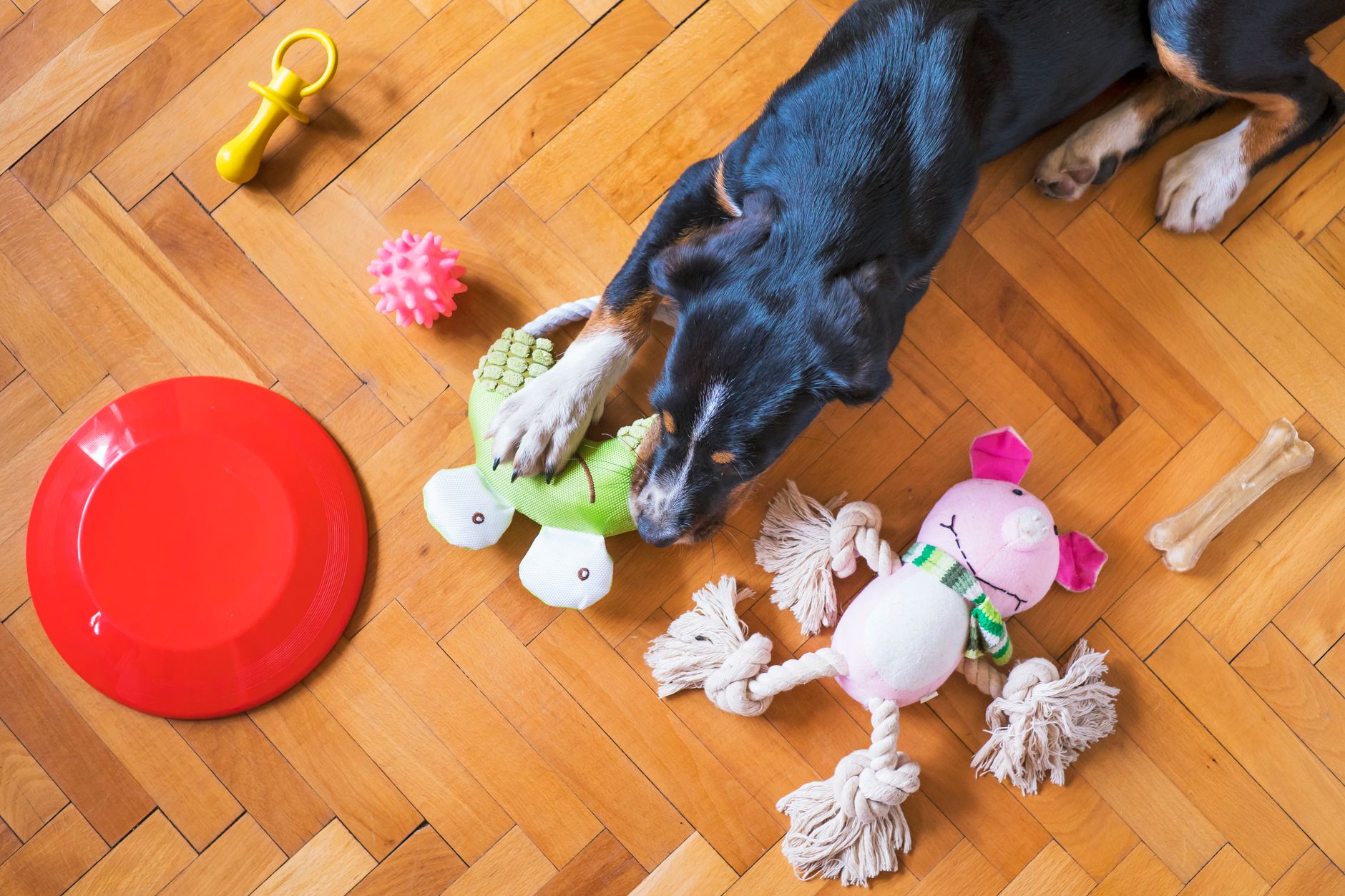
Animal shelters across Australia are constantly finding creative ways to raise funds, build community connections, and keep their furry residents happy — and branded pet toys have emerged as one of the most surprisingly effective tools in the promotional merchandise playbook. Whether you’re running a rescue organisation in suburban Melbourne, coordinating a fundraising drive for a Brisbane RSPCA branch, or managing a council-operated shelter in Perth, custom-branded pet toys offer a genuinely unique way to put your organisation’s name in front of animal-loving Australians while doing something tangibly good. It’s a category that’s growing fast, and for good reason.
Why Branded Pet Toys for Animal Shelters Make Smart Marketing Sense
Let’s start with the fundamental question: why branded pet merchandise at all? The answer lies in a simple truth — pet owners are some of the most emotionally engaged consumers in Australia. When you hand someone a branded item that benefits their beloved dog or cat, you’re creating a memory, a conversation starter, and a lasting brand impression all at once.
According to broader promotional products industry statistics in Australia, branded merchandise consistently outperforms digital advertising in terms of cost-per-impression and emotional recall. Now apply that logic to animal shelters. A custom-branded chew toy sitting on a donor’s living room floor gets seen by every visitor to that home. A branded catnip mouse spotted at the vet clinic prompts a question. The visibility these products generate is organic, ongoing, and deeply personal.
Beyond brand awareness, branded pet toys serve multiple strategic purposes for shelters:
- Fundraising revenue — Sold at events, adoption days, or online, branded pet toys can generate meaningful income with relatively modest margins
- Adoption promotion — Including a branded toy in adoption kits reinforces your shelter’s identity and keeps you top of mind post-adoption
- Sponsor activation — Local businesses can co-brand products as a community sponsorship, extending your reach further
- Volunteer and donor appreciation — Gifting branded pet products to supporters builds loyalty in a memorable, heartfelt way
This is also a category where current trends in promotional merchandise are heading. Eco-friendly, purpose-driven, and community-minded products are in high demand, and pet toys tick all three boxes when executed thoughtfully.
Types of Branded Pet Toys Worth Considering
Not all pet toys are created equal when it comes to branding and promotional use. Here’s a breakdown of the most practical options for Australian animal shelters.
Custom Dog Toys
Dogs are Australia’s most popular pet, which makes branded dog toys a logical starting point. Common formats include:
- Rope toys — Excellent for branding via hang tags or embroidered labels; highly durable and visually appealing
- Squeaky vinyl toys — Available in custom shapes, including dog bones, fire hydrants, or even custom silhouettes; can be pad printed with logos and text
- Plush toys — Ideal for puppies and smaller breeds; typically include a sewn-in label for decoration
- Rubber chew toys — Laser engraving or moulded branding is possible on harder rubber formats
For a Sydney-based rescue like Save-A-Dog Scheme or a Queensland SPCA fundraiser, squeaky vinyl toys in custom shapes are among the most popular choices because they’re highly giftable and immediately recognisable as pet products.
Custom Cat Toys
Cat toys are a slightly smaller but equally enthusiastic market. Key options include:
- Branded catnip pouches — Simple cotton pouches filled with dried catnip, printed with your shelter’s logo or event branding
- Feather wand kits — Packaged with branded hang tags or in printed cardboard boxes
- Interactive puzzle toys — Higher price points but fantastic as premium auction or sponsor gifts
Branded Pet Accessories Extending Beyond Toys
While the focus here is toys, it’s worth noting that branded bandanas, collars, and tote bags used to carry pet supplies can complement a branded toy range beautifully. A custom branded tote bag filled with a toy, treat, and welcome card makes an exceptional adoption kit or fundraising bundle.
Decoration Methods: What Works on Pet Toys
This is where shelter coordinators and marketing managers need to think carefully. The decoration method you choose affects everything — cost, MOQ, turnaround, and durability.
Screen printing is ideal for flat surfaces like fabric pouches and bandanas. It’s cost-effective at volume and produces clean, vibrant results.
Embroidery works beautifully on rope toys with attached fabric labels, or on pet bandanas. It gives a premium look and holds up extremely well to washing — important for a product that will be chewed and slobbered on.
Pad printing is the go-to for harder plastic or vinyl surfaces, such as squeaky toys. It’s precise, affordable at scale, and widely available from Australian promotional product suppliers.
Laser engraving suits rubber and harder materials and delivers a subtle, premium aesthetic — particularly appropriate for corporate donor gifts or higher-end auction items.
Full-colour digital printing on hang tags and packaging is often just as important as the decoration on the toy itself. Beautiful branded packaging elevates the product significantly and makes it more giftable.
If you’re unsure which method suits your chosen product, a good supplier will walk you through the options based on your budget, quantity, and design. Understanding your choices before committing is always worthwhile — our guide to finding print suppliers near you can help you get started with local sourcing.
Practical Ordering Tips for Animal Shelters
Ordering branded merchandise for the first time — or managing it with a stretched volunteer budget — can feel overwhelming. Here are the practical considerations every shelter should know before placing an order.
Minimum Order Quantities
Most custom pet toy orders start at 50–100 units for standard formats like rope toys and catnip pouches. Custom-moulded squeaky toys can have MOQs of 250–500 units due to tooling costs, making them better suited to larger organisations or regional campaigns. Smaller shelters can often achieve better economics by partnering with other rescue groups in their state to pool an order.
Budgeting Realistically
Budget is always top of mind for not-for-profit organisations. Our promotional product budgeting guide for small businesses is a practical resource that applies equally well to shelter environments. Key cost components to factor in include:
- Unit cost — Varies by product type, material, and quantity
- Setup/screen fees — Typically $50–$150 per colour or position, a one-time cost per design
- Freight — Australia’s geography means freight can add meaningfully to costs for shelters in Darwin, Hobart, or regional WA
- Packaging — Hang tags, poly bags, or gift boxes all add cost but significantly improve perceived value
For fundraising products, aim for a retail price of at least 2.5–3x your landed cost to generate a meaningful margin.
Turnaround Times
Standard production on branded pet toys typically takes 2–4 weeks from artwork approval, with freight on top. If you’re planning for a specific event — like a RSPCA Million Paws Walk, Adoption Day, or end-of-year fundraiser — build at least 6–8 weeks into your planning timeline to allow for proofing, production, and delivery. Rush options are available but attract premium pricing.
Artwork Requirements
Most suppliers require vector artwork (AI, EPS, or PDF) for logos, with clear guidance on PMS colour matching if brand consistency is critical. If your shelter has a loosely defined visual identity, this is actually a great opportunity to tighten it up before you go to print.
Eco-Friendly Options: Aligning Your Products with Your Mission
Animal shelters are inherently mission-driven organisations. For many, environmental values are inseparable from animal welfare values. That alignment makes eco-friendly branded pet toys a particularly strong choice.
Look for products made from:
- Organic cotton — For rope toys, bandanas, and pouches
- Recycled materials — Some suppliers now offer toys made from recycled PET plastic or reclaimed fabrics
- Natural rubber — Sustainably sourced and biodegradable, versus synthetic alternatives
- FSC-certified cardboard packaging — For hang tags and boxes
The broader sustainability trends shaping the promotional products industry show Australian consumers increasingly favouring brands — and by extension, organisations — that make consciously eco-minded choices. For an animal shelter, choosing sustainable materials isn’t just good for the environment; it’s on-brand in the truest sense. You can also explore our curated roundups of sustainable promotional gifts and sustainable promotional merchandise for broader inspiration.
Creative Campaign Ideas Using Branded Pet Toys
The product itself is only half the equation. How you use branded pet toys strategically is what amplifies their impact.
“Adopt and Receive” Kits — Every new adoption gets a branded welcome kit including a toy, treat, and info card. It reinforces your brand post-adoption and encourages sharing on social media.
Corporate Sponsorship Packages — Offer local Adelaide or Canberra businesses a co-branded pet toy as part of a tiered shelter sponsorship. A vet clinic, pet food retailer, or dog groomer is a natural fit.
Fundraising Stalls — Market days, community fairs, and sports club events (think a Gold Coast AFL club family day) are great retail environments for branded pet toy sales. A wristband for your event and a trestle table of branded pet products makes for a compelling community fundraising setup.
Online Store Integration — Many shelters now run online merchandise stores. Branded pet toys photograph well and perform strongly as e-commerce fundraising items, especially around Christmas and RSPCA Cupcake Day.
Volunteer Appreciation Gifts — A small branded catnip pouch or rope toy with a thank-you card is a low-cost but meaningful gesture for the people who keep your shelter running.
Conclusion: Key Takeaways
Branded pet toys for animal shelters in Australia represent a genuinely compelling intersection of community goodwill, practical fundraising, and smart brand-building. As awareness of promotional merchandise’s power continues to grow — particularly in the not-for-profit and community sector — shelters that invest thoughtfully in branded pet products will find themselves better connected to donors, adopters, and supporters alike. Here’s a summary of what to keep in mind:
- Choose products that suit your audience — Dog toys for dog-focused shelters, cat toys for cat rescues, or a mix for all-animal organisations
- Match your decoration method to your material — Embroidery for fabric, pad printing for vinyl, laser for rubber
- Plan your timeline early — Allow at least 6–8 weeks for a smooth, stress-free order process
- Factor all costs into your budget — Unit cost, setup fees, freight, and packaging all contribute to your true landed cost
- Align with eco-friendly materials — Sustainable products reinforce your shelter’s mission and resonate deeply with animal-loving Australians
- Think campaigns, not just products — The most effective branded pet toys are part of a broader strategy, whether that’s adoption kits, fundraising stalls, or corporate sponsorships